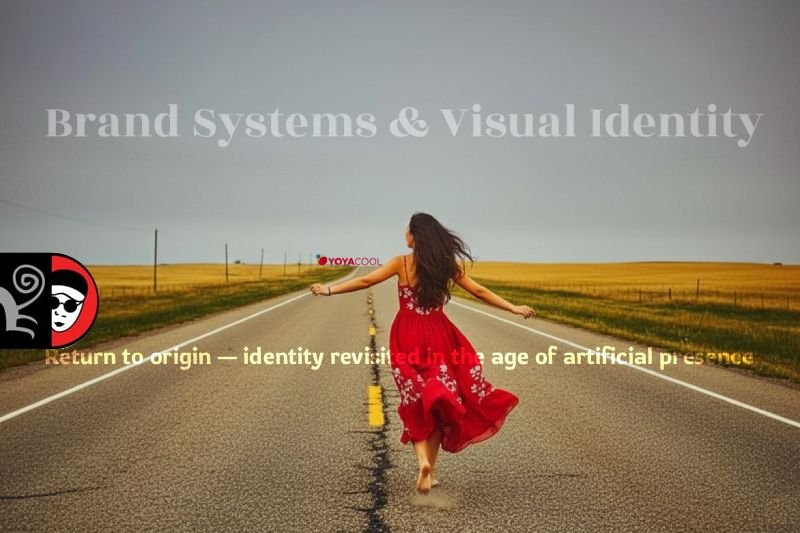
Brand System & Visual Identity
Where Identity Becomes a Working Structure
Visual identity is often mistaken as the beginning of brand design. In reality, it is the visible outcome of decisions made long before any form, color, or symbol appears.
Brand systems do not start with aesthetics. They start with judgment — defining how identity behaves across time, platforms, and changing contexts.
From Identity to System
Corporate identity becomes meaningful only when it can operate beyond individual expressions. A brand system defines relationships: between elements, messages, platforms, and behaviors.
Visual identity is therefore not decoration. It is the interface of a deeper system — one that governs recognition, trust, and continuity.
Systems That Outlive Campaigns
Campaigns are temporary. Trends fade. Systems endure.
A mature brand system allows visual identity to evolve without losing coherence. It provides boundaries without rigidity, freedom without fragmentation.
Visual Identity as Evidence
When a system is clear, visual identity becomes evidence rather than assertion. It does not demand attention — it earns recognition through consistency and restraint.
Over time, identity no longer needs explanation. It is simply recognized.
Completing the CI Design Series
This series has explored identity as continuity, judgment before style, clarity through contrast, and breathing with place.
Brand systems and visual identity are not the end of this process — they are its working state. Identity remains alive only when the system continues to guide decisions beyond design.