Breathing With Place
When Identity Learns to Inhabit
At a certain stage, identity stops projecting. It starts inhabiting.
Corporate identity design reaches maturity when it no longer competes with its environment, but breathes with it.
From Presence to Coexistence
Early identity systems seek recognition. Mature systems seek alignment.
Identity becomes credible when it feels native to its context— not imposed, not loud, simply present.
Environment as a Design Partner
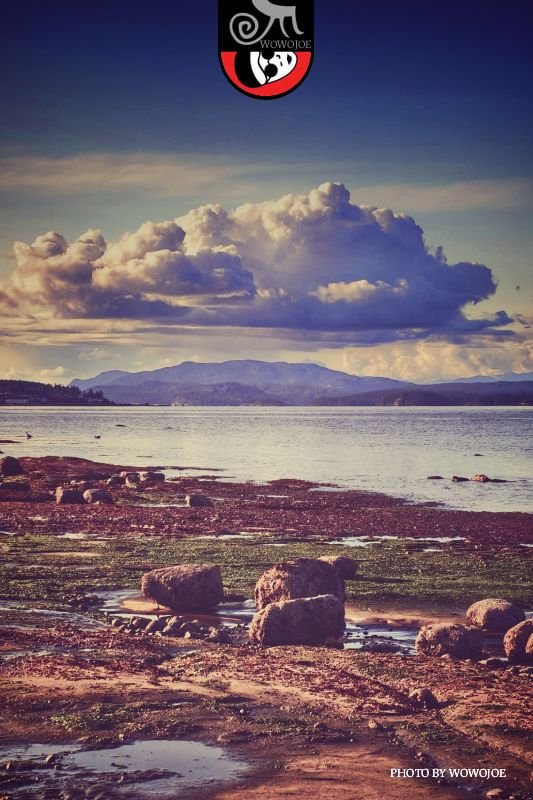
In natural landscapes, nothing rushes for attention. Elements coexist through rhythm: tide, wind, light, and time.
Identity systems that last adopt the same logic. They adapt to pace, scale, and lived use.
Living With Identity
Identity is not something users observe. It is something they live within.
When systems breathe with place, they reduce friction, invite trust, and remain comfortable over time.
Breathing in Vancouver CI Design Practice
In Vancouver CI design, environment plays an active role. Organizations operate close to nature, community, and long-term presence.
Identity systems succeed when they respect rhythm, allow space, and align naturally with lived experience.