Identity as Continuity
How Identity Persists Through Difference
Identity does not persist by remaining the same. It persists by remaining continuous.
In corporate identity design, continuity is not achieved through repetition or uniformity, but through the consistent relationship between difference and structure.
Continuity Emerges From Difference
Without difference, continuity cannot be perceived. Identity becomes visible only when contrast exists— between elements, moments, and contexts.
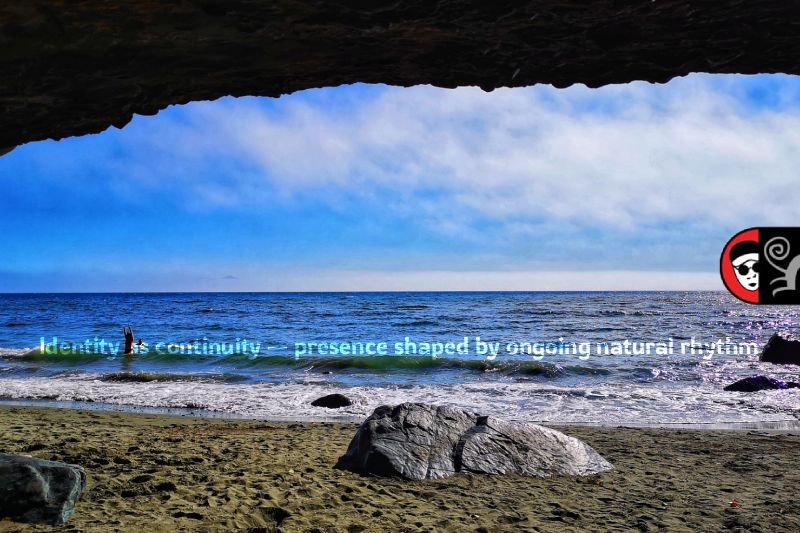
In open landscapes, continuity is revealed through horizon, rhythm, and scale. Contrast does not break coherence; it sustains it.
Why Continuity Precedes Complexity
Identity systems often fail when complexity is introduced before continuity is established.
Continuity provides orientation. Once orientation is stable, complexity can grow without fragmentation.
Continuity as a Design Discipline
Continuity is not a visual style. It is a discipline of judgment.
It governs what changes, what remains, and how identity absorbs variation without losing recognition over time.
Identity as Continuity in Vancouver CI Design Practice
In Vancouver CI design, continuity is often valued over immediacy. Organizations operate in environments where trust accumulates gradually.
Identity systems designed for continuity appear calm, confident, and structurally enduring.